









Aquarium water return pump – types of pumps


Guide to Selecting Return Water Pumps for Aquarium
Whether you are a novice aquarist or an experienced hobbyist, your main goal is to maintain a thriving and healthy aquatic environment for your underwater plants and animals. To achieve this goal, one of the most important decisions you will make is choosing the most suitable return pump.
When choosing a type of water pump and volume, there are several factors that must be included in your decision:
Filtration Type – What type of filtration system is most suitable for the aquarium you plan to set up? The type of filter you choose dictates the type of water pump you will need.
Desired Flow Rate – Do the inhabitants of your aquarium require a higher flow rate (for saltwater) or a lower one (for a planted aquarium)? Research the flow rate requirements for the type of aquarium you are planning.
Plumbing and Height – What type of plumbing will be installed? Will you use a lot of elbows and sharp bends, etc.? Where will the filtration system be located? Directly under the aquarium? In the basement or another room? Make sure to account for the total distance needed to move water from the aquarium.
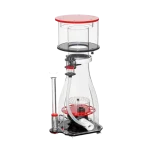
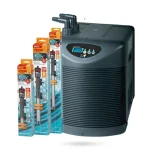
Additional Equipment – Does your new aquarium require additional filtration or temperature control devices, such as UV sterilizers, skimmers and chillers ?
In addition to powering your filtration system and ensuring water movement in the aquarium, water pumps can also be used to power other devices such as protein skimmers, to drain or fill the tank, or even to mix saltwater in marine aquariums for water change tanks.
If you are looking for a pump to power your filtration system, there are two different types of pumps to consider: submersible and inline. Some more versatile pumps, such as Mag Drive pumps and Eheim hobby pumps, can be used either submersible or inline.

Submersible Water Pumps
Submersible water pumps are fully submerged in water, usually in the sump of a wet/dry filtration system. They draw water from the filter and push it back into the aquarium or through other devices, such as liquid chillers or UV sterilizer units. There are several advantages to using a submersible pump: they are easy to install because they don't require drilling or installing a seal on your filtration system, and they tend to be a bit quieter since they operate underwater.
The main disadvantage of submersible pumps, especially the more powerful ones, is that they are water-cooled, which means unwanted heat can be added directly to the aquarium water. Additionally, the sump may have limited space for a pump, so the size of the submersible pump is an important consideration.


Inline or External Water Pumps
Inline water pumps are used outside of the water and are connected to an intake hose and an outflow hose used for filtering water from the aquarium. The major advantage of inline pumps is that they are air-cooled, meaning they add less heat to the water. These are often more powerful pumps, capable of moving more liters per hour. Inline water pumps can be installed in one of two configurations: pressure settings or free-flow configurations.
NOTE: Very high working installations (6m) can create high levels of backpressure. Be sure to consider the working height when choosing a water pump.
Pressure Settings Inline
This type of configuration typically places the pump before a sump filtration system. The pump forces water under pressure into the canister system. Pumps set up in this configuration receive substantial pressure from the filtration device. Some inline pumps, such as the Little Giant MDQ series, are specially designed to handle backpressure with ease.
Free Flow Inline Settings
This type of configuration often places the pump after the filtration process, such as a wet/dry filter. The pump takes the filtered water from the sump and sends it back into the aquarium or possibly through additional devices, such as UV sterilizers or protein skimmers. Pumps configured in this type of setup experience very little backpressure. As a result, they are often capable of moving more water with less effort. Some inline pumps, like the Little Giant MDQX series, are specifically built for maximum efficiency in low-pressure situations.

